
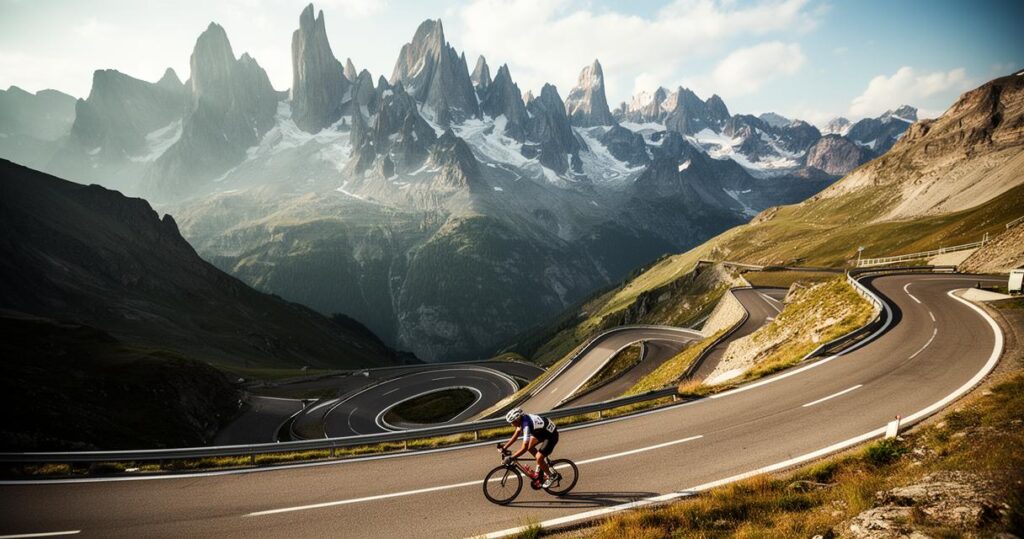
There are few experiences in cycling quite as humbling, or as rewarding, as tackling the great passes of the French Alps. These roads have shaped the history of the Tour de France and continue to draw riders from every corner of the globe, eager to test themselves against gradients that seem to defy gravity. From the wind-battered summit of Mont Ventoux to the endless hairpins of Alpe d'Huez, this stretch of France offers some of the most storied and physically demanding climbs on the planet, and every one of them rewards the effort with views that make the suffering worthwhile.
The essentials
- The French Alps offer world-class cycling challenges, featuring iconic climbs that have been immortalized by the Tour de France.
- Mont Ventoux is renowned for its harsh, moon-like summit and exposure to wind, earning its reputation as a difficult test for any cyclist.
- The Col du Galibier serves as a high-altitude rite of passage, often combined with other legendary passes for a demanding day of riding.
- Col du Glandon provides a grueling, multi-faceted climb that tests mental resolve and pacing due to its varying gradients and steep sections.
- Alpe d'Huez is famous for its twenty-one numbered hairpins, acting as a centerpiece for cyclists based in the Bourg d'Oisans area.
- Successful completion of these alpine routes requires careful preparation, including proper fueling, layered clothing for variable weather, and strategic pacing.
- Despite the intense physical suffering, cyclists are rewarded with spectacular vistas of glacial lakes, verdant pastures, and snow-capped peaks.
The legendary giants of french alpine cycling
Mont ventoux: the giant of provence
Standing apart from the rest of the Alps both geographically and in reputation, Mont Ventoux has earned its nickname as the Giant of Provence through decades of drama on the Tour de France. Its bald, moon-like summit is visible from miles away, a constant reminder to climbing cyclists of just how far they still have to go. The comparison is often drawn between this ascent and the climb from La Chambre, which shares a similarly punishing character despite being tucked away in the Maurienne valley rather than standing alone above the Provençal plains.
Col de la Galibier: Gateway to the High Alps
The Col du Galibier represents a rite of passage for any serious cyclist attempting a tour of the high Alps. Often combined with neighbouring passes such as Col de la Croix de Fer, it forms part of a broader network of climbs that riders based near Bourg d'Oisans can string together into an unforgettable, if brutal, day in the saddle. The thin air and exposed ridgelines near the top test both lungs and nerve in equal measure.
Technical challenges and breathtaking rewards
Understanding gradient, altitude and distance
Numbers alone rarely capture what it feels like to grind up these roads, but they do help explain why certain climbs have become legendary. Take Col du Glandon as an example: this famous ascent, which forms part of the gruelling La Marmotte sportive, stretches across roughly 27 kilometres with an average gradient of 4.8%, though certain stretches steepen sharply to between 7% and 10%. Approached from La Chambre, the climb shortens to around 22 kilometres but toughens considerably, averaging 6.8% with brutal sections touching 15%. One rider who tackled this route described five miles sitting at a gradient of 7.3%, followed by nearly six miles averaging 8.8%, a combination that tests both pacing strategy and mental resolve. Wind can also play a significant role, and riders often find themselves battling gusts that seem to appear from nowhere on exposed switchbacks.
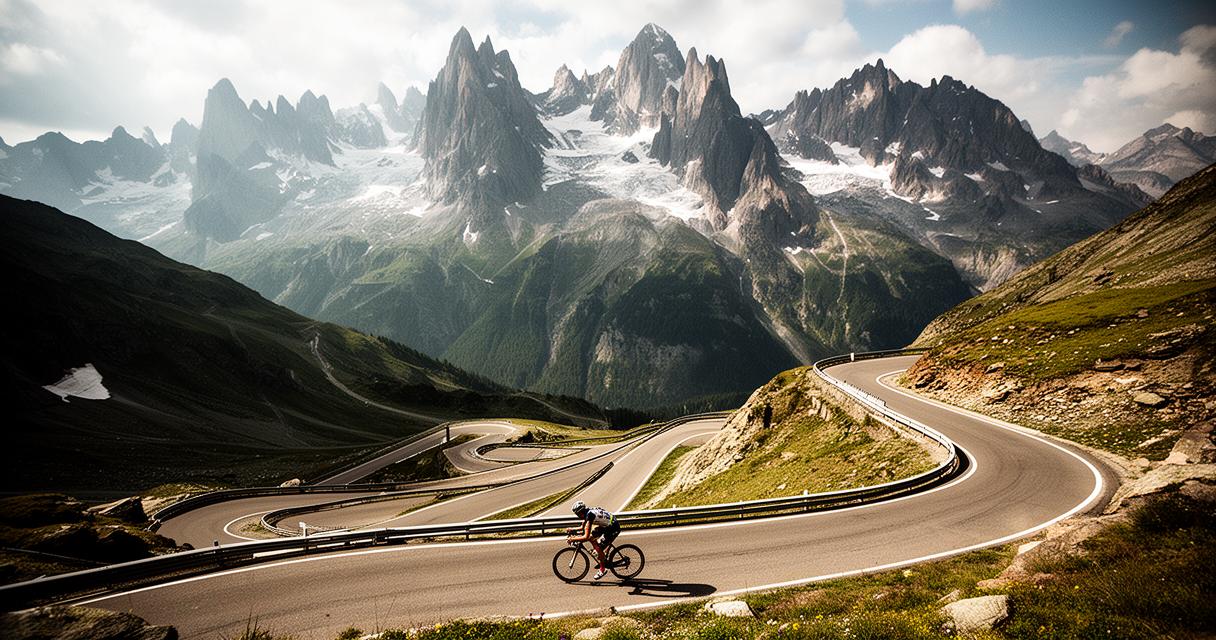
Spectacular panoramas that make every pedal stroke worthwhile
Despite the physical toll, there is a reason cyclists return to these roads year after year. The alpine climate shifts dramatically with altitude, and riders frequently pass from warm valley air into chilly mountain gusts within the space of an hour. Glacial lakes shimmer below hairpin bends, and the mountain scenery unfolds in layers of green pasture, grey rock and distant snow-capped peaks. One cyclist recalled leaving La Chambre at half past nine in the morning, riding alongside a river before beginning the long ascent, and reaching the summit of Col du Glandon after two and a half hours of near-continuous effort, with barely three minutes spent resting. The summit itself, though crowded with motorbikers and fellow cyclists, offered a view worth every drop of sweat.
Conquering the most demanding ascents
Alpe d'Huez and Its Twenty-One Legendary Hairpins
No discussion of French alpine cycling would be complete without mentioning Alpe d'Huez, whose twenty-one numbered hairpins have become etched into cycling folklore. Riders based in Bourg d'Oisans often use the town as a launching point for tackling this climb alongside other nearby giants, creating a demanding multi-pass day that separates casual tourists from committed climbers.
Col du Glandon: The Hidden Gem of the Maurienne Valley
While it may not carry quite the same fame as its Provençal or Oisans neighbours, Col du Glandon has quietly built an impressive legacy, having featured in the Tour de France since 1947 and appearing more than twenty times since. After summiting Glandon, many cyclists continue onward to Col de la Croix de Fer, where the air turns noticeably colder despite the exertion. Some riders push further still, tackling an optional detour to Relais du Chalmieu, a punishing addition that took one determined cyclist a full extra hour to complete at an average gradient of 9.6%. The descent that follows demands careful handling, with steep, twisting tarmac that punishes any lapse in concentration. Eventually the road flattens into the valley, weaving through several small towns before one final climb, a stinging 7% gradient, delivers exhausted riders back to their starting point. Fuelling properly across such a demanding route matters enormously, and one rider's day included nearly three bottles of water alongside a sandwich, a mini madeleine and half a slice of fruit cake, modest supplies for such an enormous effort. For anyone planning a similar adventure, starting early to dodge both heat and crowds, packing layers for the unpredictable alpine climate, and pacing carefully to preserve energy for the steepest pitches are all essential elements of preparation. Combined with the breathtaking backdrop of glacial lakes and jagged peaks, these climbs offer an experience that lingers in the memory long after the legs have recovered.