


Arranging for a vehicle to be transported across the country (or even across Europe) raises an immediate and practical question: how much is it actually going to cost? Whether you are relocating, selling a car remotely, or simply need a non-running vehicle moved, understanding the pricing structure behind professional lorry transport is the first step towards making a sound decision.
The essentials
- Vehicle transport costs are primarily determined by distance, vehicle dimensions, and the specific transport method chosen.
- Standard UK transport typically costs between £1 and £2 per mile, though cross-border European shipments involve significantly higher fees due to logistics and border regulations.
- The condition and size of a vehicle impact the price, with non-running cars or high-value vehicles requiring specialist equipment like winches or enclosed trailers, which increase costs.
- Opting for shared transport or multi-car delivery can reduce costs by up to 75% compared to dedicated, same-day services.
- Reliable carriers should provide proof of goods-in-transit insurance, and customers are advised to photograph their vehicle’s condition prior to collection.
- Being flexible with delivery dates and booking at least two weeks in advance helps secure more competitive rates and better availability.
- Providing accurate vehicle details and access information ensures precise quotes and helps prevent complications during the collection and delivery process.
Key factors influencing vehicle transport rates
The cost of vehicle transport is never a fixed figure. It shifts according to several variables that together determine the final rate you will be quoted. The most significant of these are distance, the type of vehicle being moved, and the method of transport chosen. As a broad reference point drawn from the market, car transport costs in the UK typically range from roughly £1 to £2 per mile, meaning that a local move under 100 miles might start around £150, whilst a longer cross-country journey can rise to between £400 and £500.
Distance and Delivery Route Breakdown across Europe
Distance is the single most influential factor in calculating a transport quote. Short-distance moves (say, under 100 miles) tend to be completed swiftly, sometimes the next day or within 48 hours, and at a comparatively modest price. As the route extends, the cost climbs accordingly. A 200-mile delivery, for instance, might sit somewhere between £250 and £400 depending on the carrier, the time of year, and whether the route is well-serviced. Long-distance car transport across Europe introduces additional complexity: border crossings, varied road conditions, and longer transit times all factor into the final rate. A shipment from the UK to Germany, for example, can reach well over £2,000 for a single vehicle. Routes through France and into southern Europe will carry their own specific pricing based on the kilometres involved and the logistics of the return journey for the driver.

Vehicle Type and Size Considerations for Lorry Transport
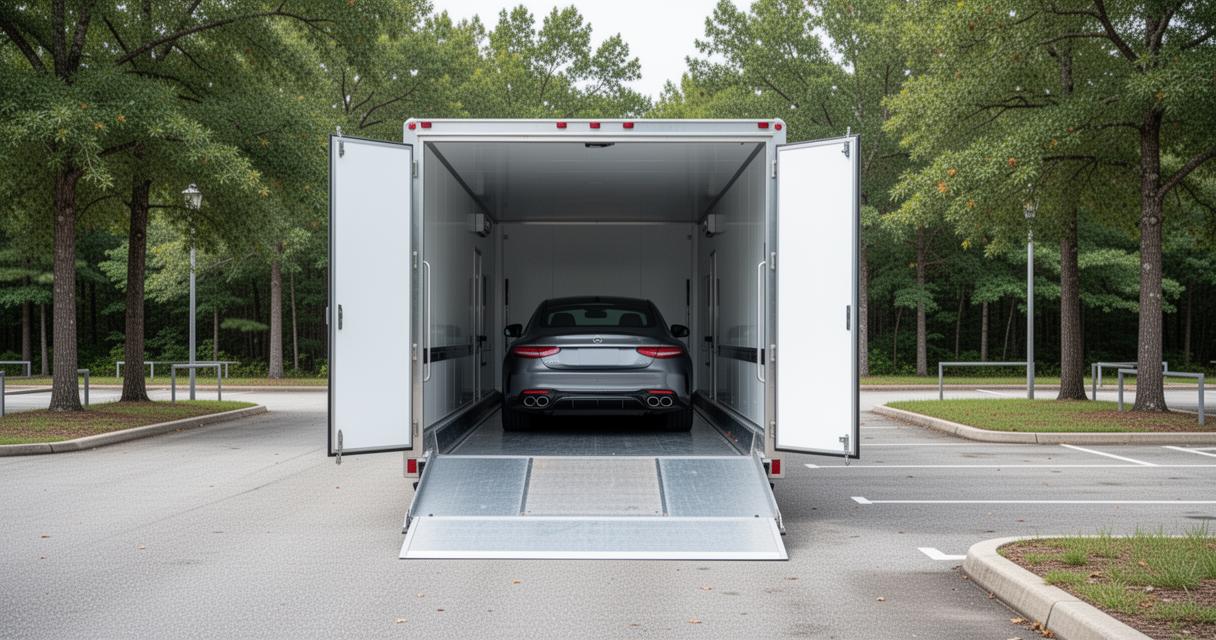
The dimensions and condition of your vehicle play a direct role in determining the car transport costs you will face. A compact hatchback occupies far less space on a transporter lorry than a large 4×4 or a van, and this difference is reflected in the quote. Transporting non-running vehicles adds another layer of cost, as specialist equipment (such as a winch or a low-loader) is required to load and secure the vehicle safely. Similarly, classic car transport and the movement of high-value vehicles often demands enclosed transport rather than open-air delivery, which commands a premium. Market data suggests that enclosed transport can cost roughly 50% more per mile than standard open transport, given the additional protection and equipment involved.
Cost-effective options for car transporter services
For most people, keeping delivery costs manageable is a priority. Fortunately, the vehicle logistics market offers several strategies to bring the price down without compromising on quality or safety.
Savings with Grouping and Shared Lorry Space
One of the most effective ways to reduce the cost of car delivery service is through grouping, also known as shared transport. When a lorry is already travelling a particular route, carriers will often seek to fill empty slots on the transporter with additional vehicles heading in the same direction. This approach significantly lowers the per-vehicle cost, as the overheads of the journey are shared across multiple consignments. Flexible transport dates are key here: if you can accommodate a window of a few days rather than demanding a specific collection time, you are far more likely to benefit from these reduced rates. Industry figures suggest that savings of up to 75% can be achieved through this kind of scheduling flexibility compared to booking a dedicated, same-day service.

Comparing individual convoy versus multi-car delivery
When weighing up a car transport service, it is worth understanding the difference between a dedicated convoy (where a single transporter is committed entirely to your vehicle) and a multi-car delivery arrangement. A dedicated solution offers speed and simplicity: your vehicle moves directly from collection point to destination without detours. A multi-car lorry, on the other hand, may make several drops along the route, extending transit time but substantially reducing your individual cost. Open car transport on a multi-car lorry remains the most popular and affordable option for standard vehicles, whilst those with higher-value or particularly vulnerable cars may prefer the added security of enclosed transport, even at a greater expense. Comparing transport quotes across both options is straightforward through online platforms, where you can post your job for free and receive competitive bids from verified carriers.
Securing a comprehensive transport quote
Obtaining a reliable vehicle shipping quote is easier than ever, but knowing what to look for (and what questions to ask) will ensure you select a reputable provider rather than simply the cheapest one available.
Essential transit insurance cover for your vehicle
One element that should never be overlooked when arranging safe vehicle transit is insurance. All verified and reputable transporters carry goods in transit insurance as a minimum requirement, providing cover for your vehicle against damage or loss during the journey. Before confirming any booking, it is advisable to request written confirmation of the carrier’s insurance policy and to check that the level of cover is appropriate for the value of your vehicle. For classic car transport or the movement of vehicles worth more than £30,000, it may be worth exploring whether additional or specialist cover is needed. Documenting the condition of your vehicle with photographs before collection offers an extra layer of protection should any dispute arise upon delivery.
Booking Collection and Delivery with a Reliable Transporter
Vehicle collection and delivery runs most smoothly when both parties are well-prepared. You should aim to be present at both the collection and delivery points so that you can hand over the keys, sign the relevant paperwork, and inspect the vehicle alongside the driver. Making your listing as accurate as possible (including any modifications, the vehicle’s running condition, and any access restrictions at either address) will help carriers provide more precise quotes and avoid complications on the day. Professional car movers will typically carry out a condition report at the point of collection, noting any pre-existing marks or damage, which protects both you and the transporter throughout the process.
When it comes to door to door delivery, most UK mainland moves are completed within three to five working days under standard conditions, though express options exist for those with tighter deadlines. Planning ahead (ideally at least two weeks in advance) tends to yield better rates and a wider choice of available carriers. Whether you are arranging nationwide vehicle shipping or a cross-border journey into Europe, taking the time to compare quotes carefully, verify insurance credentials, and choose a carrier with a proven track record will make the entire experience far more straightforward.