

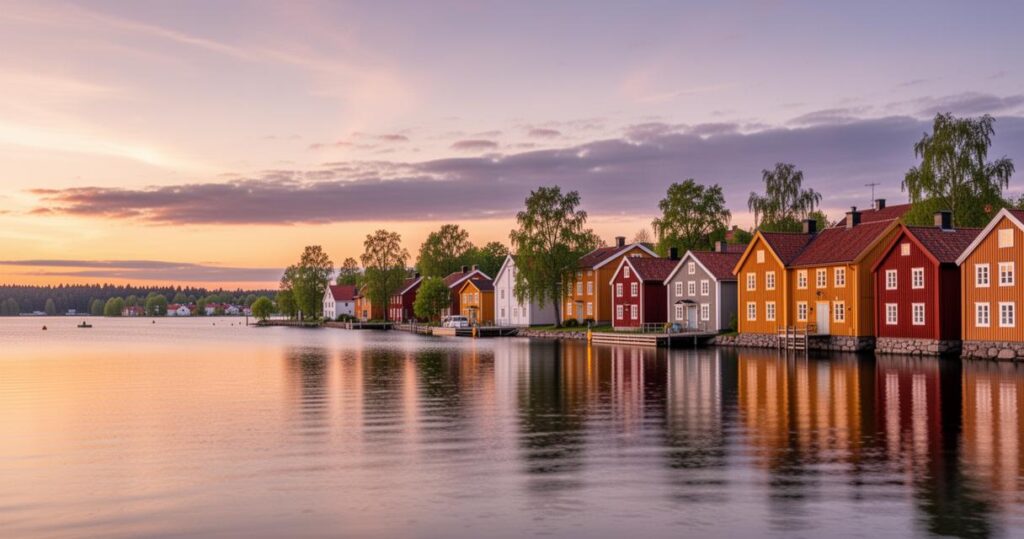
Nestled on the shores of Lake Mälaren, roughly an hour’s journey north of Stockholm, Sigtuna is a town that wears its age with remarkable grace. Founded over a thousand years ago, it carries the weight of Viking history in its runic stones and crumbling ruins, yet it has also cultivated a surprisingly vibrant culinary scene that rewards curious visitors. Whether you arrive by boat across the shimmering lake or by road from Uppsala, the town’s intimate streets and welcoming establishments offer a genuinely memorable gastronomic experience.
Key takeaways
- Sigtuna, Sweden’s oldest town, blends over a thousand years of Viking history with a modern and vibrant culinary scene.
- Local gastronomy is deeply rooted in traditional Nordic preservation techniques, such as pickling, curing, smoking, and drying, which were historically essential for survival.
- Menus in Sigtuna highlight fresh, seasonal ingredients sourced from the surrounding landscape, including berries, root vegetables, and grains like barley and rye.
- Dining establishments along Lake Mälaren specialize in freshly caught fish prepared with traditional wood-smoking methods that reflect the town’s maritime heritage.
- The town’s culinary offerings include classic Swedish dishes like game meat, gravlax, and meatballs, which honor historical food customs while maintaining a contemporary sensibility.
- The Swedish ‘fika’ tradition, involving coffee and pastries, remains an essential social ritual for visitors exploring historic sites near the Saint Mary Church.
- Modern hospitality in Sigtuna emphasizes high-quality, locally sourced produce, allowing the simplicity and natural flavor of ingredients to define the contemporary dining experience.
Historic flavours along stora gatan and lake mälaren
Sampling Local Treats in the Ancient Town Centre
Wandering along Stora Gatan, widely regarded as one of Sweden’s oldest main streets, is itself an exercise in stepping back through the centuries. The cobbled thoroughfare is lined with charming cafés and small eateries that draw on the deep roots of Nordic food culture, blending age-old food preservation techniques with a relaxed, modern sensibility. Here, the traditions of pickling and curing are very much alive, tangy pickled vegetables appear alongside cured fish preparations that echo the ingenuity of communities that once had to survive long, harsh Scandinavian winters. Indeed, Scandinavian cuisine as a whole is defined by this resilience and an enduring connection to the land, with drying, smoking, salting and pickling having shaped the region’s palate across countless generations.
The town centre also offers the pleasure of discovering seasonal ingredients in their most honest form. Locally sourced root vegetables, berries, and dairy products feature prominently on menus, reminding visitors that this cuisine has always been rooted in what the landscape provides. Staples such as barley, oats and rye appear in warming soups and rustic breads, their historical cooking practices lending an authentic character to even the simplest dish.
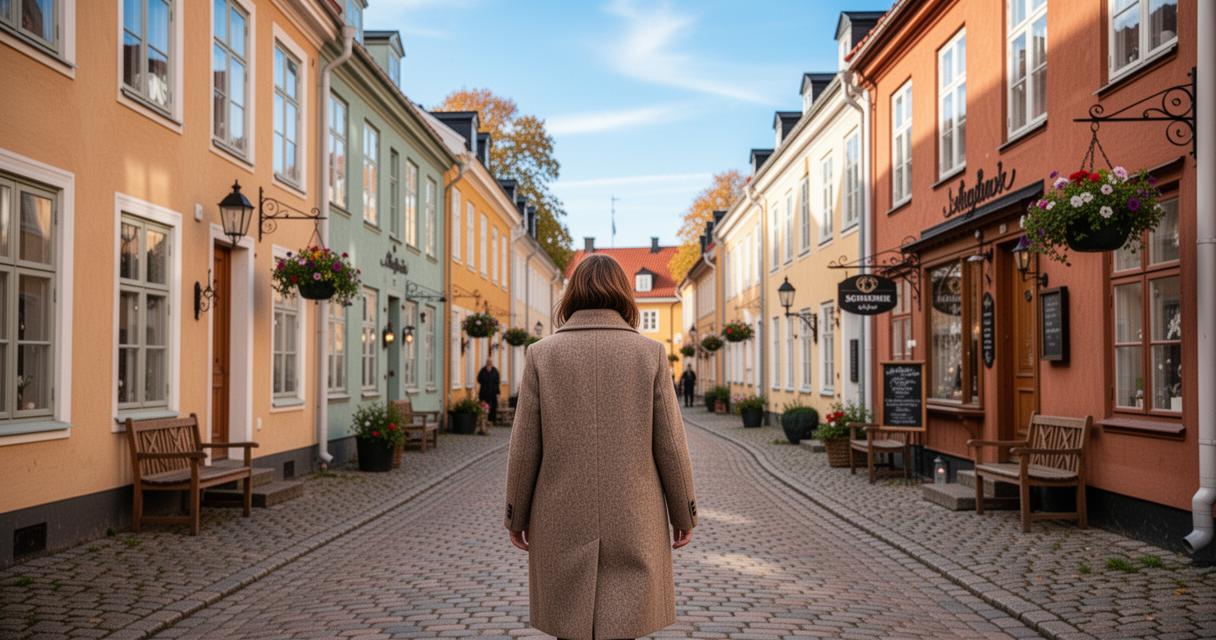
Lakeside Dining on the Shores of Lake Mälaren
Few settings rival a meal enjoyed with a direct view of Lake Mälaren, whose broad, calm waters have nourished communities since the Viking Age. Several establishments along the shores make the most of their location, serving freshly prepared fish dishes that reflect centuries of traditional cooking methods. Smoking over wood, in particular, remains a technique cherished in the region, adding a distinctive depth of flavour to salmon, perch and other local catches. This approach to preparing food is not merely a culinary affectation, it speaks to a long history in which the lake was a primary source of sustenance and trade. A leisurely boat trip across Mälaren to reach Sigtuna is itself recommended, turning the journey into the first course of a broader sensory experience.
Traditional Swedish Dishes near Runic Stones and Historic Ruins
Hearty fare inspired by viking age heritage
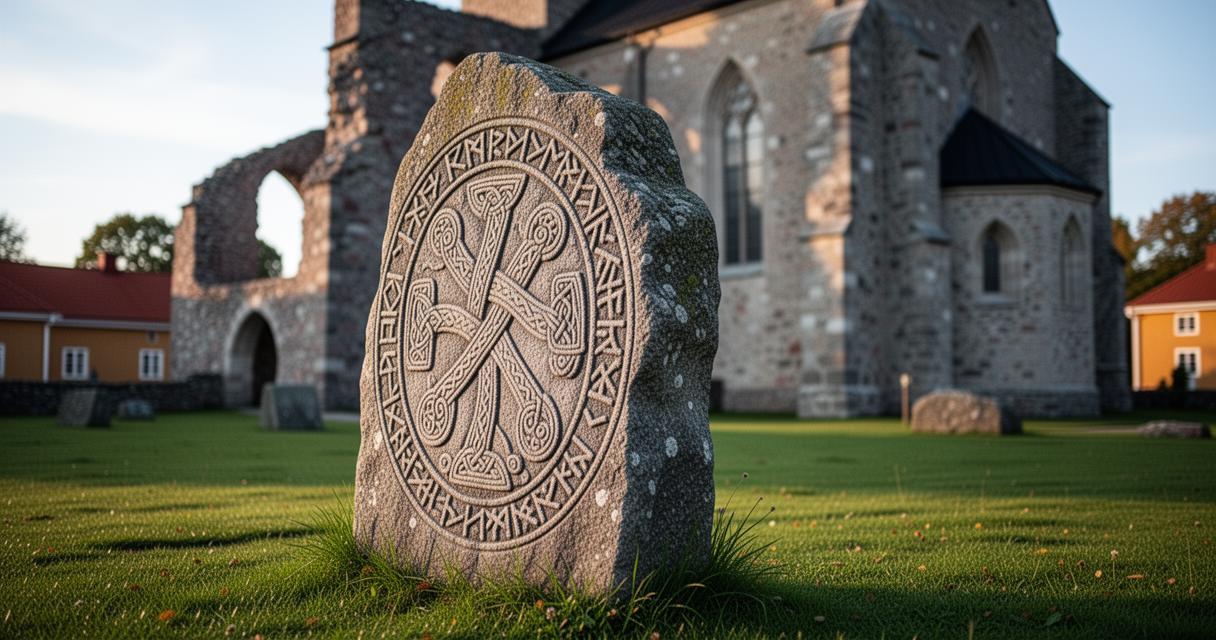
Sigtuna’s landscape is punctuated by runic stones and the atmospheric ruins of medieval churches, and it is impossible to explore these ancient sites without feeling the pull of Viking heritage on the town’s identity, including its food. The culinary heritage of the region draws directly from practices that emerged during the Vendel and Early Viking Age, when social customs and the demands of a northern climate shaped what people ate and how they prepared it. Wild game featured prominently in the diet of these early communities, and today, dishes incorporating venison and other game meats continue to appear on menus, prepared with a lightness of touch that honours traditional Swedish cooking without feeling heavy or overwrought.
Iconic preparations such as gravlax (salmon cured with salt, sugar and dill) speak directly to this inheritance. The technique of salting to preserve and enhance flavour is one of the most enduring contributions of Scandinavian culinary tradition, and tasting it in a town as historically charged as Sigtuna feels entirely fitting. Köttbullar, the classic Swedish meatball, also makes regular appearances, often accompanied by lingonberry preserves and creamy sauces that balance richness with brightness.
Classic fika pauses near saint mary church
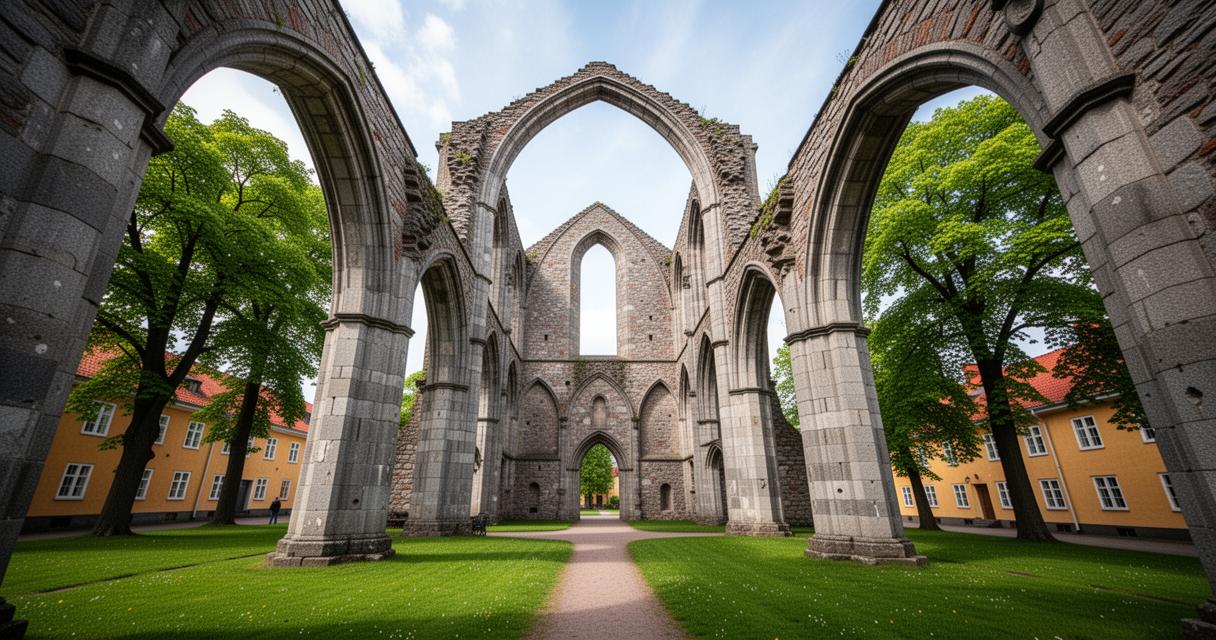
No visit to Sigtuna would be complete without pausing for fika, the beloved Swedish custom of taking a break for coffee and something sweet. Near the elegant Saint Mary Church (one of the town’s most cherished and historically significant buildings, among the first churches to be built in Sweden during the early centuries of Christian evangelisation) a handful of cosy bakeries and cafés invite visitors to slow down and savour the moment. Cinnamon buns, cardamom-scented pastries and almond cakes are typical offerings, their recipes rooted in gastronomic traditions that have been passed down through generations. Fika is far more than a mere coffee break in Scandinavian society; it is a social ritual, a moment of communal pause that reflects deeply held values around togetherness and wellbeing.
Modern Gastronomy and Hospitality in Sweden’s Oldest Town
Seasonal produce at local hotel restaurants
Sigtuna may be ancient, but its hospitality offer has evolved with considerable sophistication. Several hotel restaurants in and around the town have embraced the principles of modern Nordic cooking, with its emphasis on simplicity, quality, and a close relationship with the seasons. Chefs here work with producers in the surrounding countryside to bring seasonal ingredients to the table at their peak, whether that means early-summer asparagus, autumn mushrooms gathered from nearby forests, or winter preserves that recall the pickling traditions of old. The result is a dining experience that feels both contemporary and deeply rooted, a culinary expression of the town’s own layered identity.
The movement towards seasonal produce and locally sourced ingredients also reflects broader shifts in Nordic food culture, where simplicity and quality have become defining values. Rather than relying on elaborate preparations or imported luxuries, the best kitchens in Sigtuna allow their ingredients to speak clearly, trusting that a well-smoked fish or a carefully pickled vegetable carries its own eloquence.
Culinary Stops During a Day Trip from Stockholm or Uppsala
For those making the journey from Stockholm or Uppsala (both within comfortable reach) Sigtuna offers a compelling reason to linger beyond the runic stones and museum visits. A well-planned guide to the town’s eating spots might begin with a lakeside breakfast, move through a hearty midday meal near the historic ruins at the town center, and conclude with a fika stop along Stora Gatan before the journey home. The town is compact enough to explore on foot, making it easy to combine a walk past the runic stones and the ruins of medieval churches with spontaneous culinary discoveries. Whether you are drawn by the Viking history, the lake, or simply the prospect of a beautifully prepared Swedish meal, Sigtuna rewards every appetite, for culture and for food alike.