

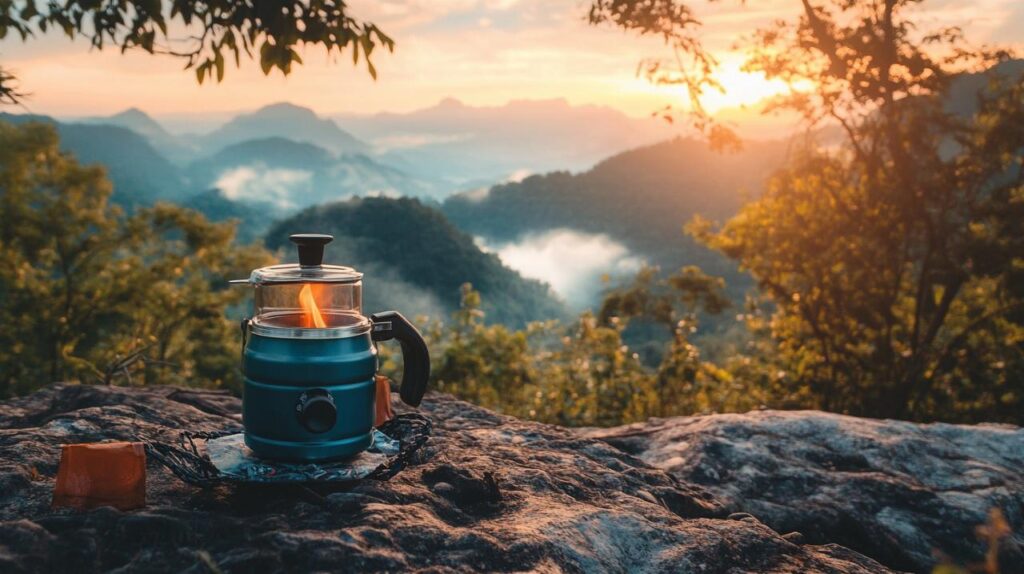
There are few things quite as vexing as reaching a windswept ridge or a secluded glen only to discover your camping stove has decided to throw a proper wobbly. Whether you are embarking on a weekend wild camping trip across the Scottish Highlands or a multi-day trek through the Lake District, your stove is the beating heart of your bivouac setup. When it fails, not only is your brew in jeopardy, but so too is your entire morale and perhaps even your safety. Understanding the nuances of different stove types, selecting kit that truly suits your needs, and arming yourself with a few emergency fixes can transform a potential disaster into a manageable inconvenience. This guide aims to equip you with the knowledge to make an informed choice and to troubleshoot common issues when you are miles from the nearest outdoor shop.
Understanding Gas Stove Types and Fuel Systems for Wilderness Cooking
When you venture into the backcountry, the type of stove you carry can make or break your experience. Gas canister stoves have become the go-to choice for many hikers and campers due to their simplicity and portability. These stoves burn a mixture of propane, butane, and iso-butane, providing a clean and controllable flame that is ideal for boiling water quickly or simmering a dehydrated meal. The ease of use is undeniable: you simply screw the stove onto the canister, open the valve, and ignite the burner. However, gas canister stoves are not without their limitations. In freezing temperatures or at high altitudes, their performance can drop significantly, leaving you with a weak flame or no flame at all. Additionally, fuel availability can be a concern in remote areas, so it is wise to plan ahead and ensure you have enough canisters for your entire trip.
On the other hand, liquid fuel stoves and multi-fuel stoves offer a level of versatility and reliability that is hard to match. These stoves run on kerosene, white spirits, or even petrol, and they perform exceptionally well in cold weather and at high elevations. The trade-off is that they tend to be heavier and more complex to operate, often requiring a priming phase to convert liquid fuel into vapour before the burner can function properly. This can be a bit fiddly, especially if you are wearing gloves in sub-zero conditions. Nevertheless, for long expeditions or winter camping, a liquid fuel stove is often the most dependable option. Meths stoves, which use denatured alcohol, are another alternative favoured by ultralight enthusiasts. They are incredibly simple, with no moving parts to fail, and they operate silently. However, they produce less heat and are more susceptible to wind, meaning longer boil times and less efficiency overall.
Direct Attachment versus Remote Canister Stoves: Weighing Up Stability and Convenience
The debate between direct attachment and remote canister stoves is one that many backpackers grapple with. Direct attachment stoves, which screw straight onto the top of the gas canister, are compact and lightweight, making them a popular choice for solo hikers and those seeking to minimise pack weight. They are easy to set up and take down, and they pack neatly into a pot or mug. However, their Achilles heel is stability. When you place a large pot or pan on top of a direct attachment stove, the whole setup can become top-heavy and prone to tipping, particularly on uneven ground. This can be a real concern when you are cooking for a group or preparing a more substantial meal.
Remote canister stoves address this issue by connecting the burner to the fuel canister via a flexible hose. This configuration allows you to position the canister away from the burner, lowering the centre of gravity and creating a much more stable cooking platform. These stoves are generally better suited for group cooking or when you need to simmer food for extended periods. Some models also feature a mechanism that allows the canister to be inverted, which can improve performance in cold conditions by feeding liquid fuel directly to the burner. The downside is that remote canister stoves are usually heavier and bulkier than their direct attachment counterparts, which may be a consideration if you are counting every gram in your rucksack.
Navigating Fuel Compatibility: Ensuring You've Got the Right Gas for Your Kit
Fuel compatibility is a critical aspect of stove selection that is often overlooked until it is too late. Not all gas canisters are created equal, and using the wrong type can result in poor performance or even damage to your stove. Most gas canister stoves are designed to work with a blend of butane, propane, and iso-butane. Butane is lightweight and works well in mild conditions, but its performance deteriorates rapidly when temperatures drop below freezing. Propane, on the other hand, remains effective in cold weather and at high altitudes, but it requires more robust canisters that are heavier and less convenient to carry. Iso-butane strikes a balance between the two, offering decent performance in colder conditions while remaining relatively lightweight.
Before heading into the hills, it is essential to check that your stove is compatible with the fuel canisters available in the region you are visiting. In the United Kingdom, the most common canister type uses a threaded screw-on fitting, which is widely available at outdoor retailers. However, if you are travelling abroad, you may encounter different standards, such as the bayonet fitting used in some European countries. Liquid fuel stoves offer greater flexibility in this regard, as they can often run on a variety of fuels including kerosene, white spirits, and even unleaded petrol in a pinch. This makes them particularly attractive for international expeditions where fuel availability may be uncertain. It is also worth noting that you cannot fly with pressurised gas canisters, so if your trip involves air travel, you will need to source fuel at your destination.
Selecting kit that won't let you down: weight, durability, and cooking capacity
Choosing the right stove involves balancing a range of competing priorities, chief among them being weight, durability, and cooking capacity. For many backpackers, weight is the paramount concern. Every gram you add to your rucksack is a gram you have to carry up every hill and across every moor, and over the course of a long trek, those grams add up. Ultralight camping stoves can weigh as little as twenty-five grams, making them ideal for fast and light missions where you are primarily boiling water for a quick brew or a freeze-dried meal. However, there is a fine line between saving weight and compromising on reliability. A stove that is too flimsy may fail just when you need it most, leaving you without the means to cook or purify water.
Durability is particularly important in harsh conditions. Stainless steel and titanium are the materials of choice for high-quality backpacking stoves, as they are both lightweight and resistant to corrosion. Titanium cookware is often paired with these stoves to create an efficient and robust cooking system that can withstand the rigours of repeated use in the backcountry. When evaluating durability, pay attention to the quality of the burner, the valve mechanism, and the overall build quality. A well-made stove from a reputable brand such as Primus, Jetboil, Optimus, Alpkit, or Vango is likely to last for many years and countless trips, whereas a cheaper alternative may let you down after just a few outings.
Balancing pack weight against reliability: finding your perfect stove match
The quest for the perfect stove is ultimately a personal one, shaped by your individual priorities and the type of adventures you undertake. If you are an ultralight enthusiast who covers long distances and prefers to bivouac in remote locations, then a minimalist meths stove or a compact direct attachment gas stove may be the best fit. These options will save you precious weight and pack down to almost nothing, allowing you to move quickly and efficiently across the landscape. However, you must be prepared to accept certain compromises, such as slower boil times and reduced cooking versatility.
For those who value comfort and are willing to carry a bit more weight, a remote canister stove or an integrated canister system may be more appropriate. These stoves offer better stability, more powerful burners, and often include features such as wind resistance and heat exchangers that improve fuel efficiency and reduce boil times. Some integrated systems can boil water in as little as two to three minutes, which is a real boon when you are cold and tired at the end of a long day. The additional weight is often justified by the convenience and peace of mind that comes with knowing you have a reliable cooking system that will perform consistently in a variety of conditions.
Matching Your Stove to Your Cooking Needs: From Brews to Full-On Wild Camping Feasts
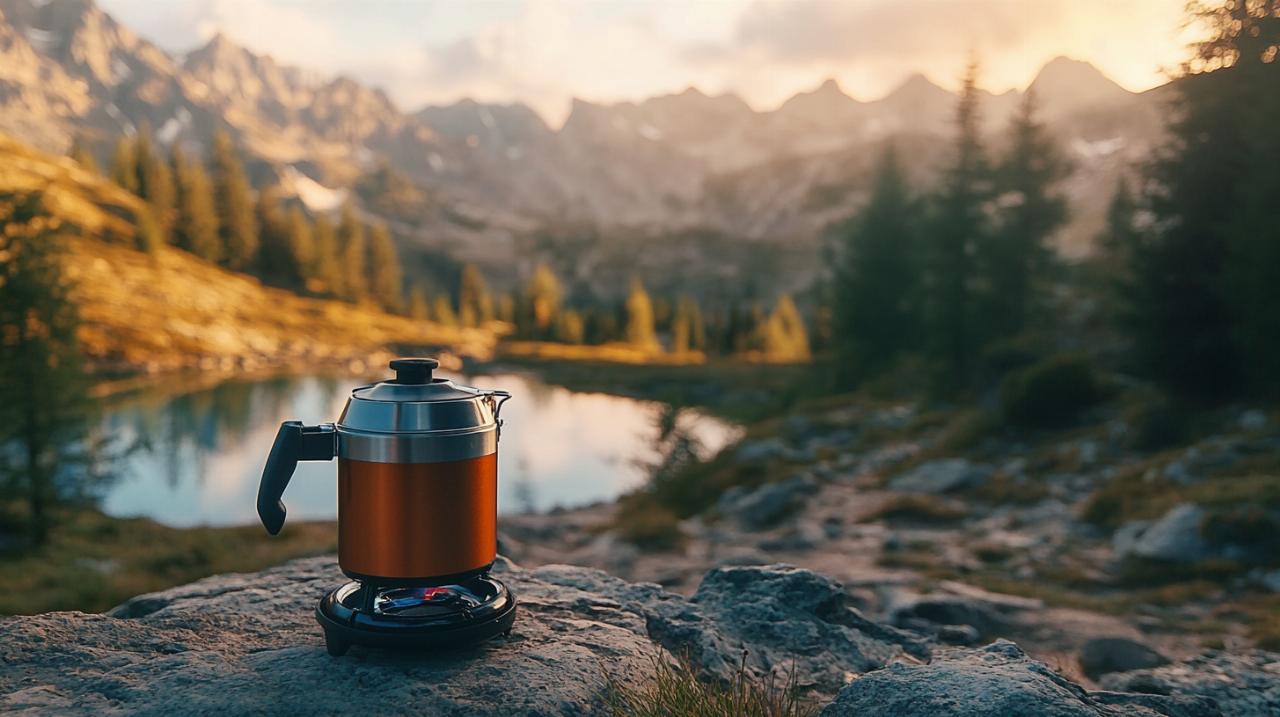
Your cooking ambitions in the backcountry will also influence your choice of stove. If you are content with boiling water for tea and rehydrating simple meals, then a basic gas canister stove or an alcohol stove will suffice. These stoves are designed primarily for boiling water and are not particularly well-suited to more complex cooking tasks that require precise flame control or prolonged simmering. However, if you fancy preparing more elaborate meals and enjoy the ritual of cooking outdoors, then you will want a stove with better flame control and a more robust burner.
Remote canister stoves and liquid fuel stoves excel in this regard, offering a wide range of heat output from a gentle simmer to a roaring boil. This versatility allows you to cook rice, pasta, or even fry food, transforming your wild camping experience into something altogether more civilised. Capacity is another consideration. A solo hiker may be perfectly happy with a small pot of around five hundred to seven hundred and fifty millilitres, but if you are cooking for a group or preparing larger meals, you will need a stove that can support a pot or pan of one to two litres without tipping over. In such cases, the stability offered by a remote canister stove becomes invaluable.
Pre-trip testing and emergency fixes when your stove packs in
One of the most important steps you can take to avoid stove failure in the field is to conduct thorough pre-trip testing at home. It may seem tedious, but spending a few minutes in your garden or kitchen testing your stove before you head into the hills can save you a great deal of frustration and potential danger later on. Start by checking that all the components are present and in good working order. Inspect the fuel canister or bottle for any signs of damage or leakage, and ensure that the threads are clean and free from debris. Assemble the stove and connect it to the fuel source, then light the burner and observe the flame. It should be steady, blue, and responsive to adjustments of the control valve. If the flame is yellow or uneven, this may indicate a blockage in the burner or a problem with the fuel mixture.
It is also wise to practice lighting your stove in windy conditions and, if applicable, to familiarise yourself with the priming procedure for liquid fuel stoves. This is especially important if you are venturing into cold or high-altitude environments where conditions can be challenging and mistakes costly. Testing your stove at home gives you the confidence that it will work when you need it most and allows you to identify and rectify any issues before they become serious problems. Additionally, consider carrying a small maintenance kit that includes spare O-rings, a cleaning needle for the burner jet, and a multi-tool. These items weigh almost nothing but can be lifesavers if your stove develops a fault in the field.
Running Through Your Stove Checks at Home Before Heading Into the Hills
A systematic approach to pre-trip stove checks can help you catch potential problems early. Begin by examining the stove body and burner for any visible signs of wear or damage. Look for cracks, bent components, or corrosion, all of which can compromise the stove's performance and safety. Next, check the control valve. It should turn smoothly and provide consistent adjustment of the flame. If the valve is stiff or the flame does not respond predictably, it may need cleaning or lubrication. For gas canister stoves, ensure that the threads on both the stove and the canister are clean and undamaged. Cross-threading or dirt in the threads can cause gas leaks, which are not only wasteful but also potentially dangerous.
For liquid fuel stoves, inspect the fuel bottle and pump assembly. The pump should hold pressure, and the fuel line should be free from cracks or blockages. Priming is an essential part of operating a liquid fuel stove, and it is worth practising this at home until you can do it confidently. The priming process involves heating the burner to vaporise a small amount of fuel, which then ignites to provide a stable flame. If the priming is done incorrectly, the stove may produce a large yellow flame or may not light at all. Meths and alcohol stoves are generally simpler, but you should still check that the burner is clean and that the flame spreads evenly. A clogged burner can result in an uneven flame or reduced heat output, so it is worth giving it a quick clean with a pin or needle before you set off.
Backcountry troubleshooting: quick fixes when your burner refuses to play ball
Even with the best preparation, stoves can and do fail in the field. When your burner refuses to cooperate, it is important to remain calm and methodical in your troubleshooting. The first step is to identify the most likely cause of the problem. If the stove will not light at all, check that the fuel canister or bottle is properly connected and that there is actually fuel remaining. It is surprisingly easy to run out of fuel without realising it, especially if you have been relying on the same canister for several days. If the fuel supply is adequate and the stove still will not light, the issue may be with the ignition system or the burner jet.
Many modern stoves feature a built-in piezo igniter, which can fail if it becomes damp or if the mechanism is damaged. In such cases, having a reliable lighter or flint and steel as a backup is essential. If the stove lights but produces a weak or irregular flame, the burner jet may be blocked. This is a common issue, particularly with liquid fuel stoves, as impurities in the fuel can clog the tiny orifice. A cleaning needle, often provided with the stove, can be used to clear the blockage. Carefully insert the needle into the jet and gently work it back and forth to remove any debris. Be cautious not to damage the jet, as this can worsen the problem.
Cold weather presents its own set of challenges for gas canister stoves. As temperatures drop, the pressure inside the canister decreases, resulting in a weaker flame or no flame at all. One effective workaround is to warm the canister by placing it inside your jacket or sleeping bag for a few minutes before use. Some experienced campers also carry the canister in an insulated sleeve or even submerge it briefly in lukewarm water to raise its temperature. For remote canister stoves, inverting the canister so that liquid fuel feeds into the stove can improve performance in cold conditions, but this should only be attempted if your stove is specifically designed for this mode of operation. If all else fails and you cannot get your stove to work, you may need to resort to alternative cooking methods such as using solid fuel tablets or even building a small fire, provided that doing so is safe, legal, and in accordance with Leave No Trace principles.
In summary, the key to avoiding stove failure and managing it when it does occur is a combination of careful selection, thorough pre-trip testing, and a basic understanding of how your stove works. By choosing a stove that matches your needs and environment, conducting regular checks and maintenance, and carrying a few essential spares, you can significantly reduce the risk of your cooker letting you down when you are deep in the backcountry. And if disaster does strike, a methodical approach to troubleshooting and a bit of ingenuity can often get you back up and running, ensuring that you can still enjoy a hot meal and a comforting brew under the stars.